









PharmaCongress 2026: From Excel to Excellence – the digital transformation for audits in the pharmaceutical industry
At the PharmaCongress in Wiesbaden, quality assurance experts agreed that the industry is at a turning point. Increasing regulatory requirements, growing volumes of data and the pressure to make processes more efficient clearly show that traditional audit methods are increasingly reaching their limits.
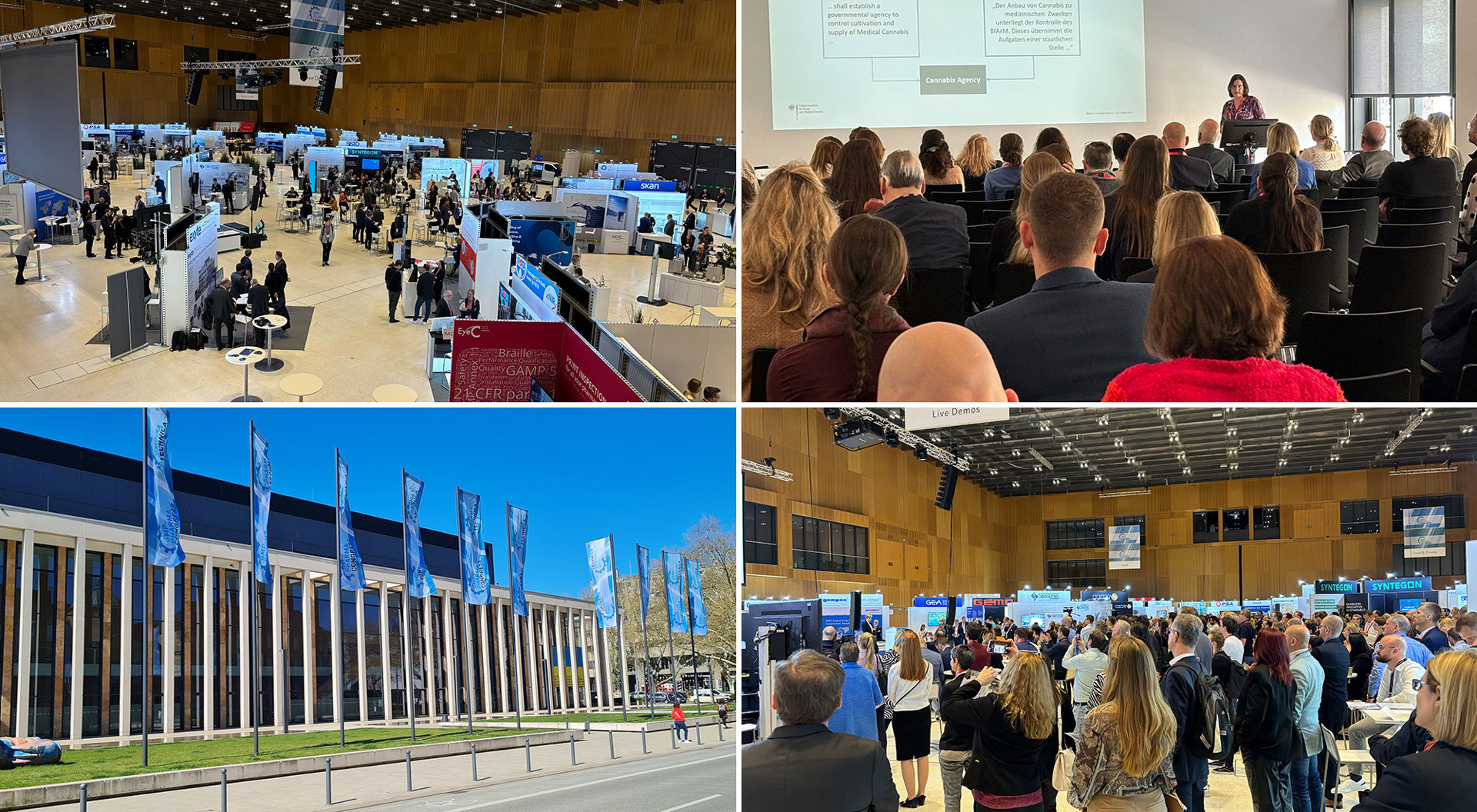
In his presentation “From Excel to Excellence: How Digital Audits Transform Quality and Efficiency”, Titus Krauss addressed precisely this point. He showed why many companies are still stuck in old structures – and what the path to a digital audit world could look like in concrete terms.
Between aspiration and reality: audits in the status quo
A look at the practice reveals a familiar picture: Many audit processes are still organized with Excel, e-mail and sometimes even paper-based.
What has worked for a long time is increasingly becoming a problem in the highly regulated pharmaceutical environment:
- Manual data entry leads to errors and inconsistencies
- Reports have to be merged in a time-consuming process
- Information is scattered and sometimes difficult to understand
Particularly in the context of GMP and data integrityarises a tension between regulatory requirements and operational reality.
Why Excel reaches its limits
As the presentation progressed, it became clear: The problem lies not in Excel itself, but in what it is used for. Excel remains strong as a tool for individual analyses. But as a basis for company-wide audit processes, it shows clear weaknesses:
- Cooperation is only possible to a limited extent, versions circulate uncontrolled
- Real-time insights into audit data are missing
- Changes and actions are not documented in an audit-proof manner
With increasing complexity, more locations, more audits, more regulatory requirements, these limits are becoming ever clearer.
A change of perspective: digital audits as an enabler
A central moment of the presentation was the change of perspective: digital audits are not only understood as an efficiency gain – but as the basis for modern quality management.
Using the example of cluetec Audit, Titus Krauss showed how the entire audit lifecycle can be mapped digitally:
- Digital checklists and mobile data collection enable structured and complete audit data - even offline on site
- Automated workflows reduce manual effort in planning, implementation and tracking
- Real-time analyses and dashboards create transparency across all audit types
This turns a fragmented process into a continuous, data-based process.
What is actually changing
The presentation became particularly tangible when it came to concrete effects. Companies that have taken the step from Excel to a specialized audit solution report noticeable improvements:
- The administrative workload has been significantly reduced
- Data quality has increased measurably
- Audit processes have become more transparent and easier to understand
- At the same time, more audits can be carried out with the same resources
Digitization has not only accelerated processes – it has improved quality itself.
How to get there: step-by-step transformation instead of a major IT project
Another important point from the presentation is implementation in practice. Transformation rarely takes place as a radical upheaval. Instead, a step-by-step approach has proven successful:
- Analysis of the existing audit landscape and identification of the biggest pain points
- Piloting of a selected audit type
- Scaling to other areas and locations
- Integration into existing systems and processes
Digitization has not only accelerated processes – it has improved quality itself.
Looking ahead: Audit Intelligence as the next step
Finally, the focus was on the future. One topic ran through many of the discussions at the PharmaCongress: the role of data and artificial intelligence in quality management.
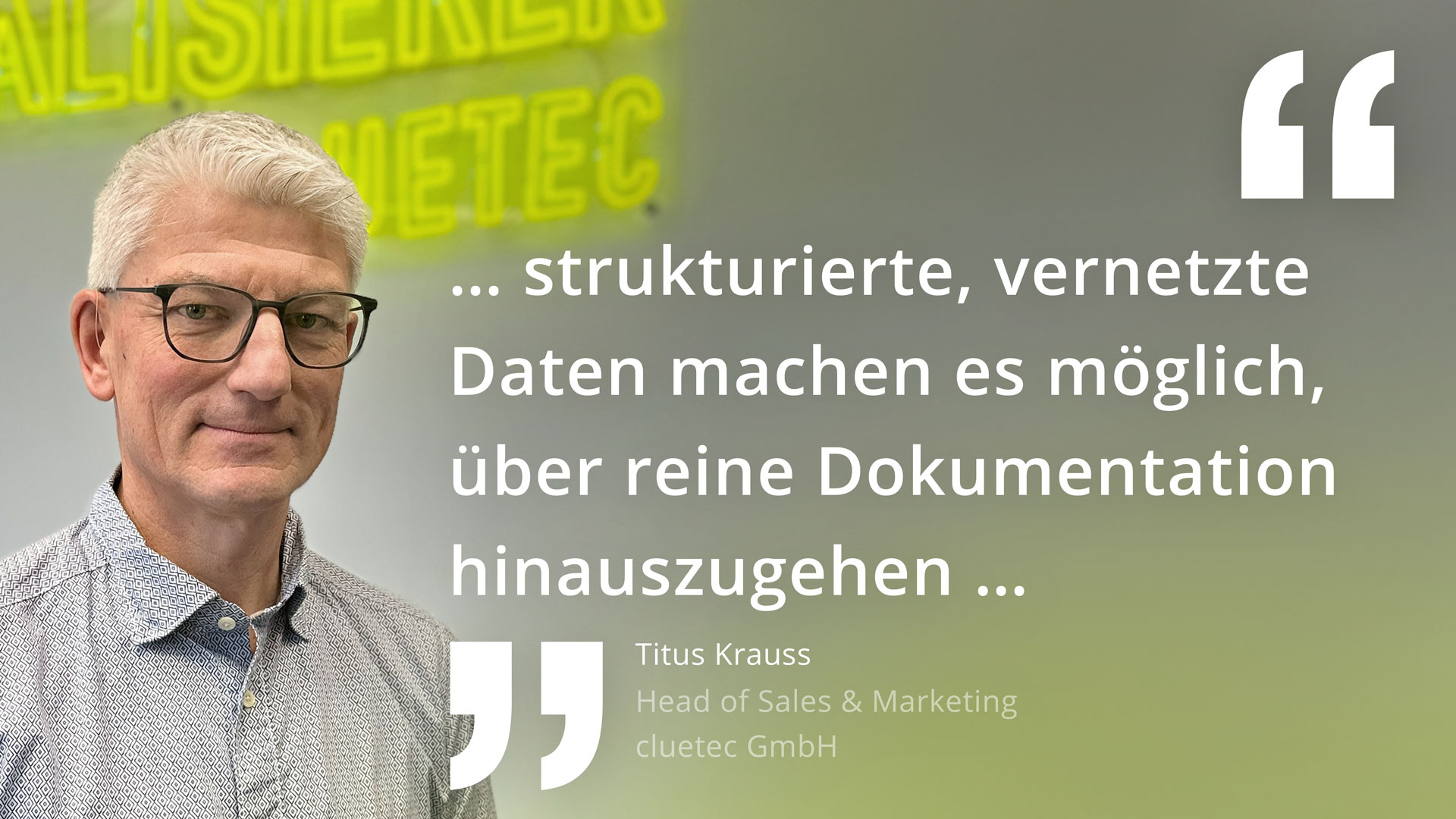
Digital audits form the basis here. Only structured, networked data makes it possible to go beyond pure documentation and use the following functions:
- Data-based recommendations for action
- Early detection of risks
- Predictive quality assurance
What began as digitization is now evolving into the next stage: Audit Intelligence.
Conclusion: From Excel to Excellence is more than just a change of tool
The presentation made it clear that the change from Excel-based processes to digital audit platforms is not a purely technical issue. It is a strategic step – towards greater transparency, higher quality and long-term compliance.
Companies that have gone down this path of digital transformation have not only increased their efficiency. They have created the basis for future-proof, data-driven quality management.