







cluetec Audit user conference 2026: Practice meets innovation
What does the future of digital audit management look like? What opportunities does artificial intelligence offer? And how are companies already successfully using cluetec Audit in practice today? These and many other questions were the focus of the cluetec User Conference 2026, held on October 22 in Karlsruhe.
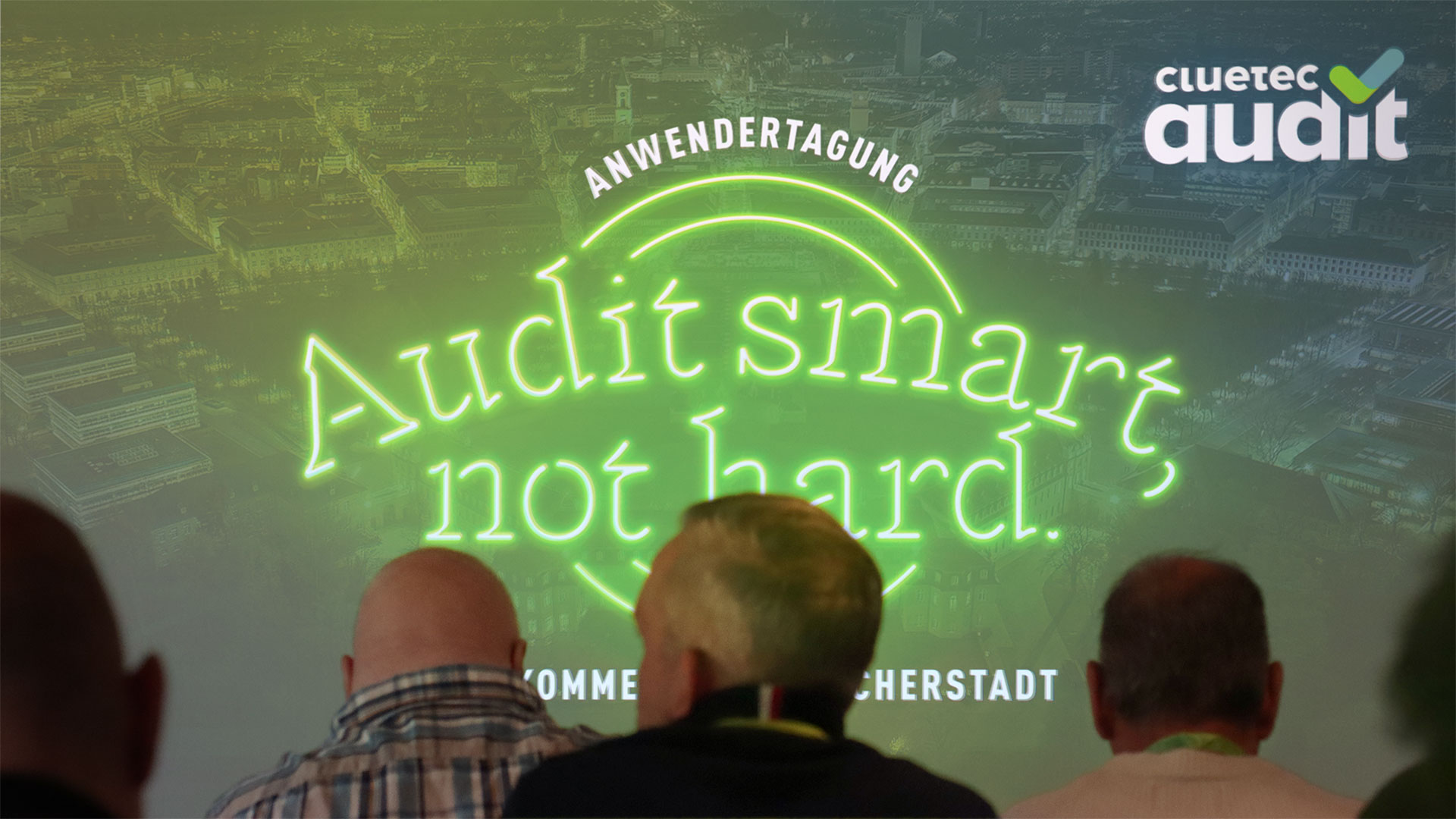
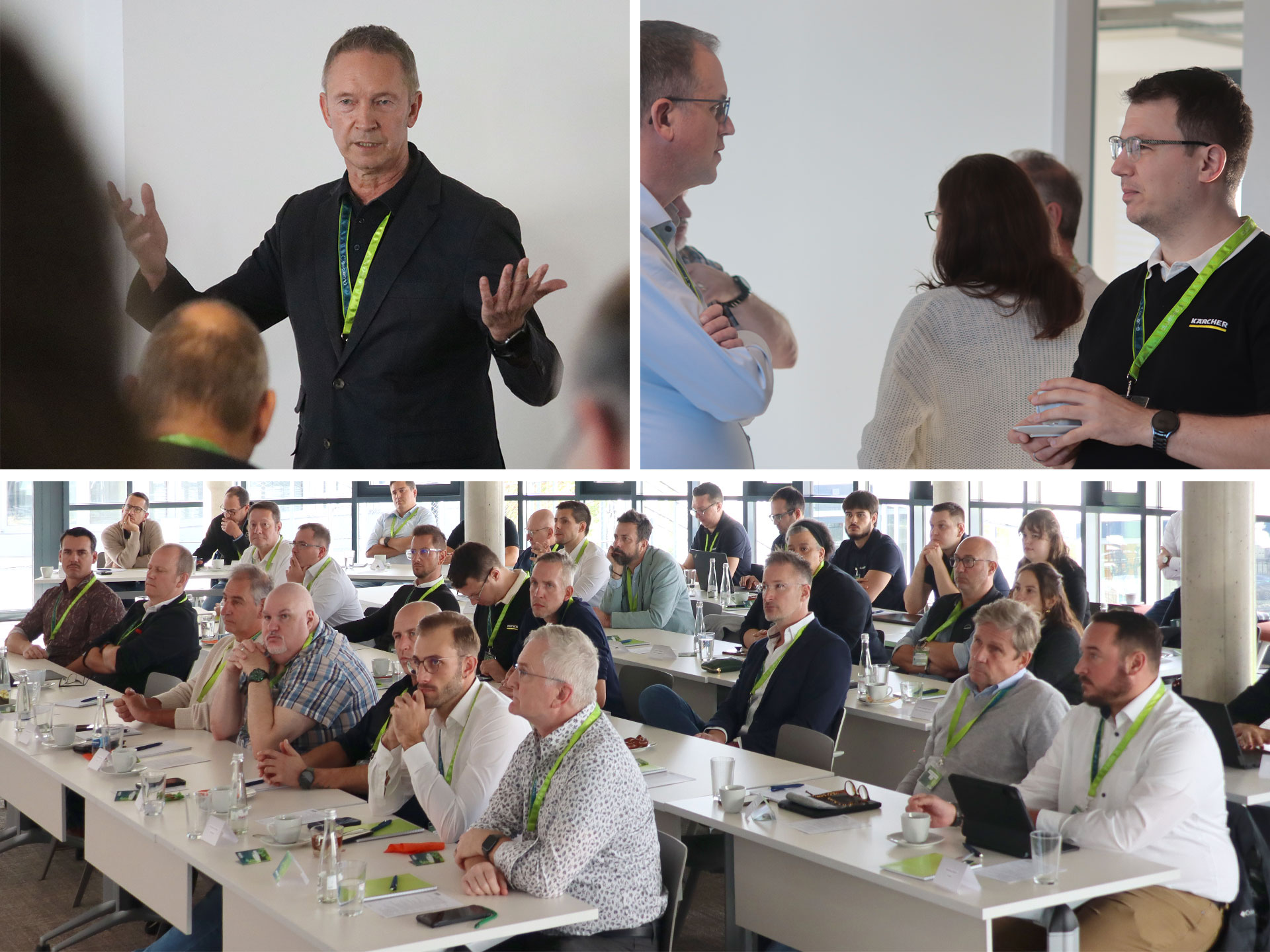
In perfect fall weather, we welcomed our customers and partners to the Linder Technology Campus for a day filled with exciting insights, practical case studies, and personal exchanges.
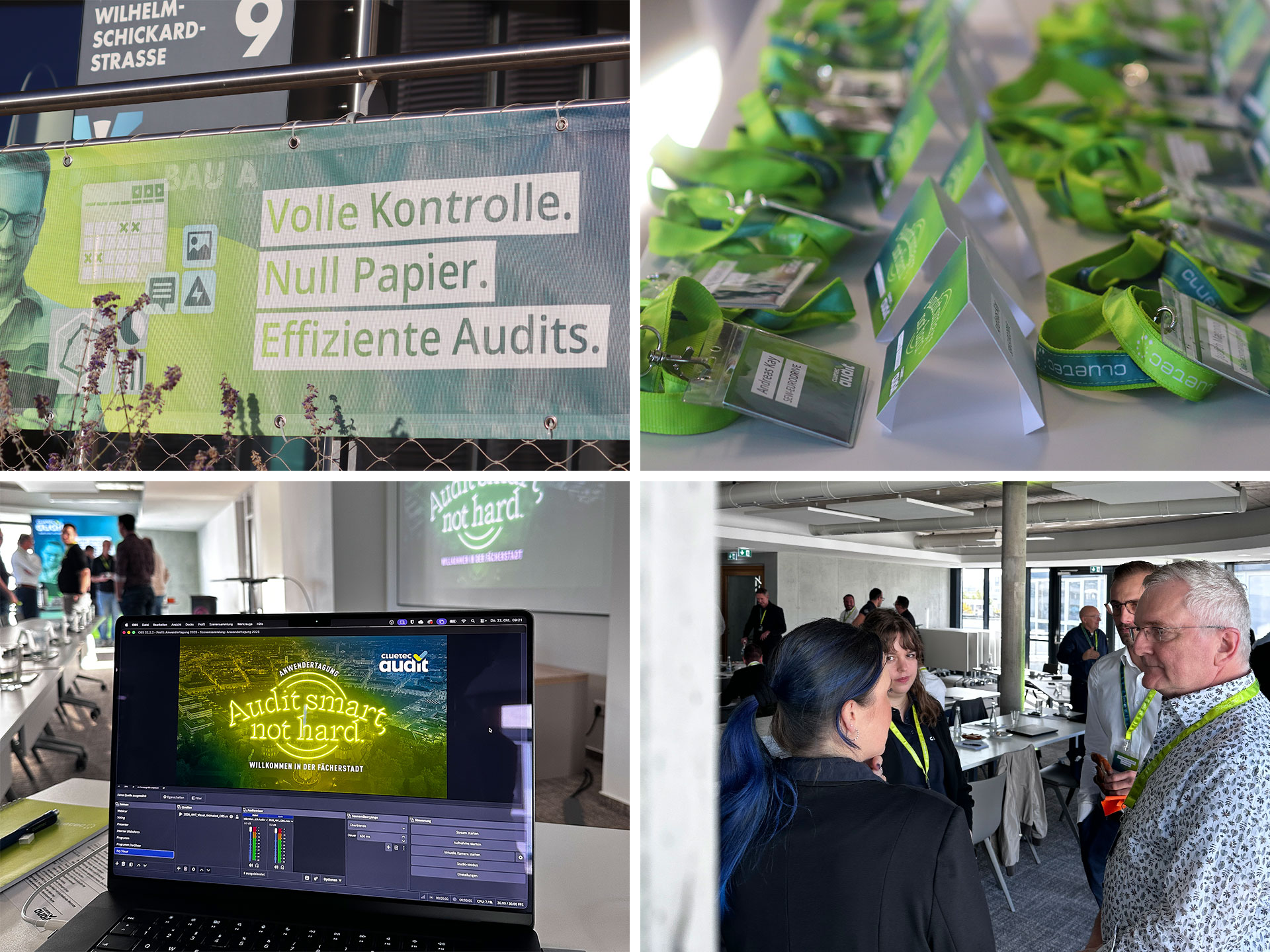
Even during the introductory round, it became clear just how versatile cluetec Audit’s applications are. Participants not only discussed their roles and responsibilities but also shared initial insights into their individual use cases and challenges. The open and pleasant atmosphere provided the perfect setting for an in-depth exchange between users, experts, and the cluetec team.
Audit Intelligence: How AI is changing audit management
The event kicked off with a look into the future of audit management. Under the title “Audit Intelligence – The Secure AI Revolution for Audits”, we presented how artificial intelligence can support auditors in their daily work in the future. The focus was on AI-powered functions for analyzing audit information, assisting with documentation, and making intelligent use of existing data.
The possibilities for automated translation, summarizing audit results, and deploying specialized AI agents sparked particular interest. The ensuing discussion highlighted just how great the potential of these technologies is from the user’s perspective. Together, we discussed numerous ideas and requirements: from integrating company-specific knowledge databases to the intelligent review of documents and cross-functional analysis. A central topic was the question of how to derive even more targeted recommendations for action from existing audit data in the future. For example, AI-powered dashboards could not only summarize results but also help identify risks early on and define audit priorities more precisely.
The discussion provided valuable insights for the further development of our Audit Intelligence and made it clear that the future of audit management lies not only in collecting data, but above all in using that data to make the right decisions.
ISO 9001:2026 – Insights into the standard revision
In addition to technological innovations, the program also featured the latest developments in quality management. A presentation by Maximilian Cerny-Probst, a member of the ISO committee and head of the certification body at bavaria certification GmbH, on the revision of ISO 9001 shed light on the planned changes from the perspective of the standards committee and offered participants the opportunity to engage with developments surrounding the international quality management standard. In doing so, the event bridged the gap between normative requirements and the technological possibilities of modern audit management.
SEW-EURODRIVE: How digitized cleaning audits create real added value
The success story from SEW-EURODRIVE demonstrated just how versatile digital audit management can be. The focus was on cleaning audits, which the company uses to systematically organize and document the cleaning of machines and equipment.
What was previously managed in part through ad-hoc instructions and inconsistent procedures has evolved into a standardized, digital process. Employees can complete the relevant checklists directly on their own smartphones.
Particularly impressive: According to SEW-EURODRIVE, the harmonization and standardization of processes have already resulted in savings of tens of thousands of euros.

The software is great, but what I can accomplish with it is what generates the real added value.
Andreas Maier of SEW-EURODRIVE summed up the key point
The case study impressively demonstrated that successful digitalization does not simply mean replicating existing processes digitally. Rather, it is about scrutinizing, simplifying, and sustainably improving workflows.
The discussion that followed was particularly engaging. The participants came up with the idea of using insights from cleaning audits – such as documented leaks—for predictive maintenance in the future.
This is a concrete example of just how valuable the exchange of ideas can be between companies with different use cases.
Direct Access: Start audits directly on the test object
Another highlight was the introduction of Direct Access, which provides direct access to audits and information via QR codes and NFC technology. The idea behind it is simple: Instead of first navigating through various menus, users can access relevant information and functions directly at the inspection object.
A single scan is all it takes, for example, to start an audit, view existing information, or edit pending actions. The ability to use Direct Access without additional licensing costs was particularly well received. The flexible assignment of different checklists to inspection objects also generated a great deal of interest.
The discussion highlighted how important it is to have the simplest possible access to digital processes in everyday work. After all, especially in production, maintenance, or quality assurance, software must do one thing above all else: support the user without creating additional hurdles.
Kärcher: Standardizing process audits worldwide
The case study by Kärcher demonstrated how digital audit management can be successfully established on an international scale. The focus was on the implementation and standardization of digital process audits across different locations. This involved not only the technical implementation but also the organizational challenges of an international rollout.
A key component was the multilingual provision of audit content. With the help of artificial intelligence, content was translated into various languages and then reviewed. Change management also played a central role. This is because when introducing new software in large organizations, it is often not so much the technical functions as the existing processes, internal requirements, and different user groups that are decisive.
The presentation demonstrated how a well-thought-out implementation strategy and the most intuitive user experience possible can help successfully establish digital audit processes within a company. The numerous questions from the audience – including those regarding training environments and the integration of external users – underscored the presentation’s strong practical relevance.
Volkswagen: International rollout of product audits
The Volkswagen Group provided another exciting look into real-world practice with a case study on the rollout of digital product audits. The focus was on the structured recording and evaluation of findings, as well as their assignment to defined error codes.
This highlighted the importance of uniform categories and standardized evaluation processes for consistent audit execution. The case study complemented the previous presentations by offering an additional perspective and demonstrated how flexibly cluetec Audit can be used for different types of audits and requirements.
More than a user conference: Learning from each other
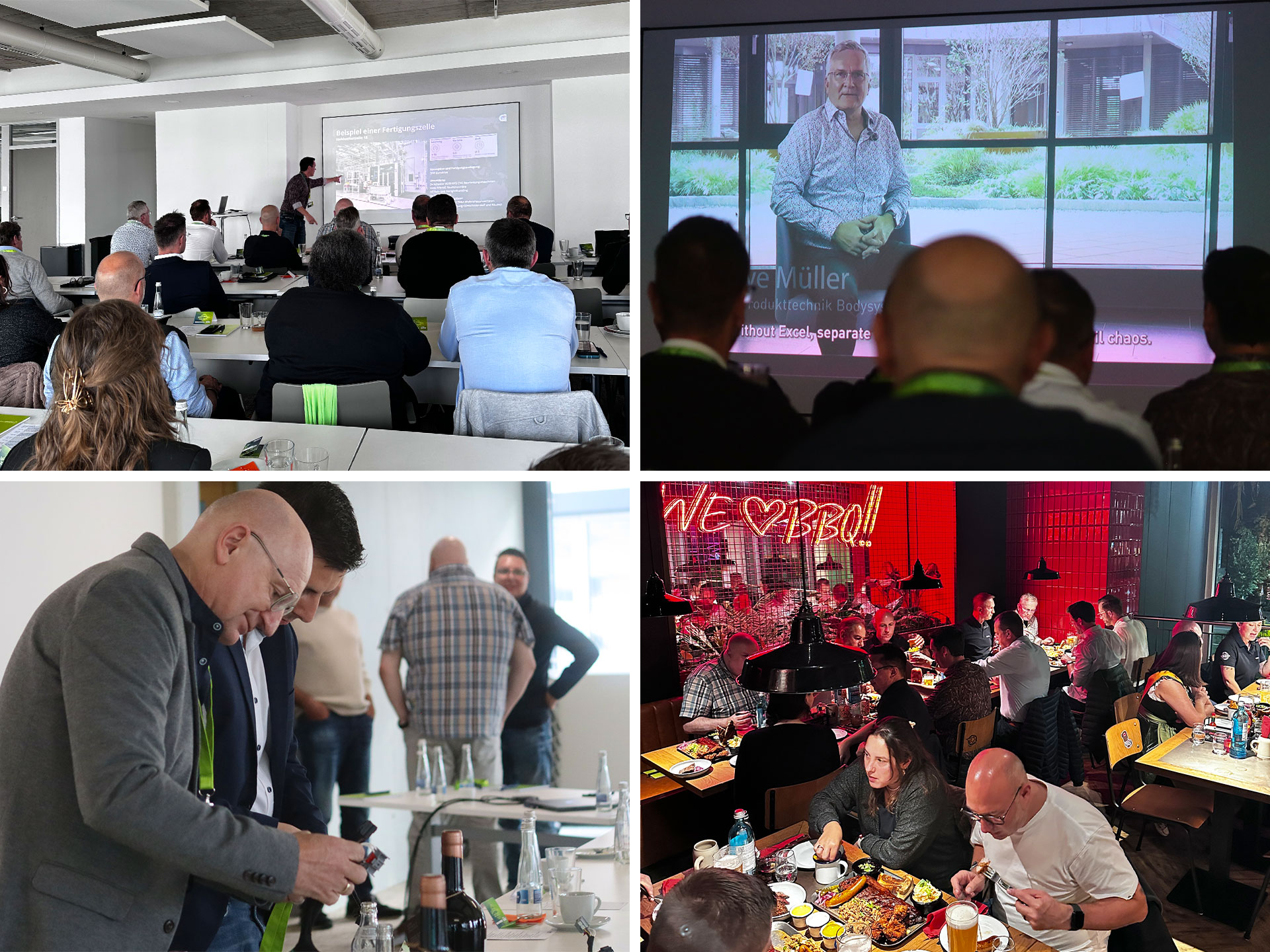
In addition to the presentations, it was above all the one-on-one conversations that made the 2026 cluetec User Conference so special. Whether in the discussion groups, during breaks, or at the evening social event: everywhere, participants exchanged experiences, developed new ideas, and made new connections.
Time and again, it became clear that companies from a wide variety of industries face similar challenges. At the same time, different perspectives give rise to new approaches to solutions that extend beyond one’s own specific use case. It was therefore particularly gratifying to see that many participants expressed a desire to continue the exchange beyond the user conference and to network more closely with one another within the cluetec community.
For us, this is precisely where the significant added value of such events lies: Not only does the software continue to evolve, but so do the ideas and possibilities that arise from this shared exchange.
Our most important lesson: The best ideas emerge where technology meets practical experience.
Matthias Helferich, CEO and co-founder of cluetec
The bottom line: Together, we are shaping the future of audit management
The 2026 cluetec User Conference once again demonstrated the immense potential of digitized audit processes. The case studies presented by SEW-EURODRIVE, Kärcher, and Volkswagen made it clear that successful audit management goes far beyond simply digitizing checklists. It creates transparency, standardizes processes, and opens up new opportunities for more efficient workflows. At the same time, the discussions surrounding Audit Intelligence and Direct Access provided an exciting glimpse into how audit management can evolve in the future.
We would like to extend our sincere thanks to all speakers, customers, and partners for their openness, the fascinating insights, and the many constructive discussions. Now it’s time to work together to build on the ideas generated and continue the dialogue. Thank you very much for a thoroughly successful cluetec User Conference 2026!
About cluetec
cluetec GmbH, based in Karlsruhe, specializes in the digitization of quality assurance processes. Dazu zählen Audits, Kontrollen und Checklisten aller Art. Mit cluetec Audit bietet das Unternehmen eine leistungsstarke Software-Lösung für die Planung, Durchführung, Nachverfolgung und Analyse von Audits. cluetec Audit supports its customers in reducing business risk and operating more sustainably, while at the same time creating full transparency across the processes mapped.
The solution is used across a range of industries, particularly in mechanical and plant engineering, manufacturing, and technical services. cluetec has been part of the Possehl Digital Group since 2022.
Pressekontakt: cluetec GmbH, Lennart Preuß, l.preuss@cluetec.de